

Filter Search for grants
Call Navigation
Deadline expired
The deadline for this call has expired.
Call key data
Supporting the clean energy transition of European industry and businesses
Funding Program
LIFE - sub-programme “Clean Energy Transition”
Call number
LIFE-2026-CET-INDUSTRY
deadlines
Opening
21.04.2026
Deadline
16.09.2026 17:00
Funding rate
95%
Call budget
€ 7,000,000.00
Estimated EU contribution per project
€ 2,000,000.00
Link to the call
Link to the submission
Call content
short description
The overall objective of this topic is to support the competitiveness, clean energy transition and decarbonisation of industry by bridging the gap between the demand and supply side of net-zero energy technologies as well as by fostering collaborative approaches among companies operating in physical proximity.
Call objectives
In 2023, the industry sector made up 25% of the total EU-27 final energy consumption, out of which energy-intensive companies account for almost 40%. Exposure to energy prices, increased global competition as well as potential transition risks linked to changing regulation, market demand and buyers/suppliers procurement criteria are increasing pressure on EU companies.
For this reason, modernising and decarbonising the industry sector while enhancing competitiveness remains a top priority to succeed in the clean energy transition, as highlighted in the Future of European Competitiveness report. New business models and financial schemes are needed to boost the decision to invest in energy efficiency and renewable energy.
Through the Net-Zero Industry Act, the European Commission is aiming to increase the manufacturing capacity of strategic net-zero technologies to meet at least 40% of the EU’s annual deployment needs by 2030. Furthermore, the Commission has adopted the Clean Industrial Deal communication and the Affordable Energy Action Plan with the aim, among others, to foster the competitiveness of energy-intensive industries through the establishment of cooperation initiatives (e.g. at industrial cluster level). The EU ports strategy adopted on 4 March 2026 announced Commission support, including via this call for proposals, to partnerships with ports and industrial clusters promoting deployment of renewables, energy sharing, reuse of waste heat, storage solutions and the development of port-centred energy communities and integration with local heating and cooling networks.
The EU is facing important increases in energy prices, driven by market volatility and exacerbated by its dependence on imported fossil fuels. A key priority for the EU is to strengthen the resilience of its energy system vis-a-vis geopolitical crises impacting the global energy market. Therefore, applicants under this topic are invited, where possible, to develop and implement long-term structural sustainable and energy efficiency measures to enhance EU energy system resilience against future crises, in coherence with short-term energy relief measures needed to respond to the current shock on the global energy markets.
read more
Expected effects and impacts
Proposals should present the concrete results which will be delivered by the activities and demonstrate how these results will contribute to the topic-specific impacts. This demonstration should rely on a solid analysis of the current situation, realistic assumptions and baselines, and establish clear causality links between proposed activities, results and impacts.
In terms of qualitative impact, proposals under this topic should demonstrate how they will contribute to the following outcomes, as relevant and depending on the scope (A or B):
- Implementation of EU legislation (in particular Energy Efficiency Directive and Renewable Energy Directive) addressing the business sector
- Viable business models either for the deployment of specific solutions or for industrial energy cooperation ready to be rolled out on the market
- Industrial actors integrating sustainable energy solutions in their processes
- Deployment of energy related infrastructure, energy services, and/or energy exchanges contributing to the clean energy transition of businesses
- Sustainable energy technological solutions adapted to meet industrial processes demands
- Acceleration and streamlining of projects to foster clean, affordable and sustainable energy use at regional/local level
In terms of quantitative impact, proposals should quantify their results and impacts using the indicators provided for the topic, when they are relevant for the proposed activities. Proposals are not expected to address all the listed impacts and indicators. The results and impacts should be quantified for the end of the project and for 5 years after the end of the project. Depending on the scope (A or B) and as relevant, the quantitative indicators for this topic include:
- Number of standardised technological solutions co-designed to the needs of a specific industrial sector
- Number of new installations of net-zero energy technologies triggered by the project (including commitments)
- Number of investment plans within industrial clusters endorsed by the relevant stakeholders (e.g. through Memorandum of Understanding)
- Number of companies implementing energy cooperation approaches
- Number of key actors along the value chains with improved skills/knowledge triggered during the action, broken down by relevant categories
- Number of relevant stakeholders approached and mobilised, broken down by relevant categories.
Proposals should also provide indicators which are specific to their proposed activities.
Proposals submitted under this topic should also quantify their impacts related to the following common indicators for the LIFE Clean Energy Transition sub-programme:
- Primary energy savings triggered by the project in GWh/year
- Final energy savings triggered by the project in GWh/year
- Renewable energy generation triggered by the project (in GWh/year)
- Reduction of greenhouse gas emissions (in tCO2-eq/year)
- Investments in sustainable energy (energy efficiency and renewable energy) triggered by the project (cumulative, in million Euro).
read more
Expected results
Proposals should address only one of the two scopes below. The scope addressed should be clearly specified in the introduction of the proposal.
For both scopes, proposals are encouraged to connect with financial players and investors for the validation of the proposed approach, as well as to create synergies with the national hubs of the European Energy Efficiency Financing Coalition.
Scope A: Collaboration between industrial sectors and technology providers for clean energy technology optimisation and deployment
This scope aims to establish new collaborations between one or a few industrial sectors/sub-sectors sharing similar processes and energy related needs with sustainable energy technology manufacturers and providers. Applicants shall focus on a clearly identified clean energy technology or a coherent set of technologies contributing to a higher energy performance for the targeted industrial sector(s)/process(es).
Relevant technologies could include for example: local renewable energy integration, waste heat recovery, heat electrification solutions, including through the use of heat pumps, as well as energy efficiency and storage solutions, energy-efficient electric motor systems and more generally the renewable energy and energy efficiency related technologies covered by the Net-Zero Industry Act. Commercially available technologies and recent innovations ready for market deployment (Technology Readiness Level 8-9) are eligible for this scope.
Proposals addressing sectors already covered by ongoing similar initiatives should clarify the added value and/or complementarity of their proposed activities; there are ongoing collaborations between industrial heat pump manufacturers and the pulp and paper, food and drink sectors, and several chemical sub-sectors.
On the user side, the specific industrial sector(s) should survey and synthesise the technological and energy needs of the industrial plants/sites concerned across the participating countries in the LIFE Programme, and review them through a closer exchange with technology suppliers and manufacturers, to co-design and optimise a more standardised and streamlined technological solution, as well as develop technical-economic guidelines and design tools to support the tailoring of concept solutions to the specific needs of the industrial plants in Europe.
On the supply side, Europe-based manufacturers and technology providers, together with other relevant stakeholders along the value chain, should optimise and standardise their existing technological offers, products and solutions to meet the needs of the industrial sector.
The goal is to move from a custom-built, project by project approach for each specific industrial plant and process, to more streamlined, standardised solutions and design tools for industrial clients operating the same processes. This cooperation should go beyond a simple business-to-customer approach and support business-to-business-to-customer collaboration models.
Proposals are expected to support the establishment of concrete collaboration initiatives, including the governance structure, and their initial operation. Activities should address the development and validation of business models for the deployment of the specific solutions explored in the sector(s) addressed, dissemination via multiple channels and capacity building activities for the deployment and installation of the solutions, including with multipliers, such as national energy agencies and energy auditors.
Proposals should present a clear strategy to roll out the technical solutions on the targeted industrial sector/processes, including access to public and private finance.
The involvement of the relevant representative organisations at European level both for the end user industrial sector(s) and for technology providers should be ensured through direct participation in the consortium to enable a European wide consultation of the needs of the user sector(s), a faster market acceptance and uptake of the co-designed solution along with the proposed benchmarks and standards. In addition to European representative organisations, proposals may also involve national and regional players representing the targeted end-users if deemed necessary for the action.
Proposals should focus on technologies ready to market or that have been successfully implemented under real operating conditions and should justify the choice of the targeted sector(s)/processes based on a clear quantification of the market’s needs and a detailed analysis of the barriers and proposed solutions. The demonstration of the proposed solutions is not in the scope of this topic, and potential costs for equipment will be eligible only to a very small extent, if justified.
Scope B: Energy cooperation among industries in geographical proximity, including ports, to foster clean, affordable and sustainable energy use
Proposals under this scope should support the cost-effective and energy-efficient transition of industrial processes to renewable and low-carbon energy sources, including process electrification and waste heat recovery, through energy cooperation approaches among companies, particularly energy-intensive industries, that are in geographical proximity (local/regional industrial clusters, industrial park/sites, maritime and inland ports).
Energy cooperation can refer to the process of sharing energy-related assets (e.g. renewable and low-carbon energy generation, energy storage), sharing energy services, implementing energy exchanges (e.g. recovery and use of waste heat from industrial and manufacturing processes, or flexible electricity demand and complementarity between the demand profiles of industrial prosumers) as well as the voluntary interfacing of industrial energy prosumers with system operators (e.g. electricity, heat, hydrogen, CO₂) for infrastructure planning. Energy cooperation can take place within the same industrial cluster, park/area or among them (e.g. at regional level among different industrial clusters/areas) as well as in industrial port areas. The development of green regional/local industrial areas/clusters can also facilitate better access to finance, energy services via ESCO contracts and power purchase agreements.
Proposals should facilitate the establishment of energy cooperation mechanisms within the timeframe of the project, including but not limited to identifying, investigating and validating economically viable business models (based on concrete interaction with participating companies), ensuring added value for each involved actor (e.g. buyers/suppliers/final users). Proposals should also work on removing barriers that hinder energy cooperation, e.g. organisational (coordination, trust, responsibilities, data management, risk sharing), legal (identification of update needs or regulatory sandboxes where relevant) or social.
Proposals should deliver investment plans including a pipeline of feasible projects aiming, among others, to accelerate the electrification of the energy demand and energy efficiency improvements in the targeted industrial areas/clusters. The proposed investment plans should be endorsed by key relevant stakeholders (businesses, public authorities, including port authorities where applicable, industry park managers, investors, TSOs, DSOs, ESCOs etc.).
Proposals may explore the use of voluntary national or regional agreements to mobilise private and public resources instrumental for the implementation of the investment plans. The envisaged plans are expected to complement and feed into the preparation of local, regional and national strategies to climate neutrality and energy efficiency (e.g. Sustainable Energy and Climate Action Plans (SECAPS) or similar).
Proposals should clearly explain their approach to engage with companies and how it is adapted to the specific needs of the targeted areas/clusters. The proposals should demonstrate a high degree of replicability, present and commit to implement a clear strategy to disseminate the results to other industrial and port areas along with a clear action plan to communicate experiences, critical success factors and results towards relevant energy cooperation actors and stakeholders across the EU.
read more
Eligibility Criteria
Regions / countries for funding
Moldova (Moldova), Iceland (Ísland), Montenegro (Црна Гора), North Macedonia (Северна Македонија), Ukraine (Україна)
eligible entities
Education and training institution, International organization, Non-Profit Organisation (NPO) / Non-Governmental Organisation (NGO), Other, Private institution, incl. private company (private for profit), Public Body (national, regional and local; incl. EGTCs), Research Institution incl. University, Small and medium-sized enterprise (SME)
Mandatory partnership
Yes
Project Partnership
In order to be eligible, the applicants (beneficiaries and affiliated entities) must:
- be legal entities (public or private bodies)
- be established in one of the eligible countries, i.e.:
- EU Member States (including overseas countries and territories (OCTs))
- non-EU countries:
- listed EEA countries and countries associated to the LIFE Programme (list of participating countries)
- the coordinator must be established in an eligible country
Proposals must be submitted by at least 3 applicants (beneficiaries; not affiliated entities) from 3 different eligible countries.
other eligibility criteria
Specific cases
Exceptional funding — Entities from other countries (not listed above) are exceptionally eligible, if the granting authority considers their participation essential for the implementation of the action (see work programme).
Natural persons — Natural persons are NOT eligible (with the exception of self-employed persons, i.e. sole traders, where the company does not have legal personality separate from that of the natural person).
International organisations — International organisations are eligible. The rules on eligible countries do not apply to them.
Entities without legal personality — Entities which do not have legal personality under their national law may exceptionally participate, provided that their representatives have the capacity to undertake legal obligations on their behalf, and offer guarantees for the protection of the EU financial interests equivalent to that offered by legal persons.
EU bodies — EU bodies (with the exception of the European Commission Joint Research Centre) can NOT be part of the consortium.
Associations and interest groupings — Entities composed of members may participate as ‘sole beneficiaries’ or ‘beneficiaries without legal personality’.
Countries currently negotiating association agreements — Beneficiaries from countries with ongoing negotiations for participating in the programme (see list of participating countries above) may participate in the call and can sign grants if the negotiations are concluded before grant signature and if the association covers the call (i.e. is retroactive and covers both the part of the programme and the year when the call was launched).
EU restrictive measures — Special rules apply for entities subject to EU restrictive measures under Article 29 of the Treaty on the European Union (TEU) and Article 215 of the Treaty on the Functioning of the EU (TFEU). Such entities are not eligible to participate in any capacity, including as beneficiaries, affiliated entities, associated partners, subcontractors or recipients of financial support to third parties (if any).
EU conditionality measures — Special rules apply for entities subject to measures adopted on the basis of EU Regulation 2020/2092. Such entities are not eligible to participate in any funded role (beneficiaries, affiliated entities, subcontractors, recipients of financial support to third parties, etc.). Currently such measures are in place for Hungarian public interest trusts established under the Hungarian Act IX of 2021 or any entity they maintain (see Council Implementing Decision (EU) 2022/2506, as of 16 December 2022).
Additional information
Topics



Relevance for EU Macro-Region
EUSAIR - EU Strategy for the Adriatic and Ionian Region, EUSALP - EU Strategy for the Alpine Space, EUSBSR - EU Strategy for the Baltic Sea Region, EUSDR - EU Strategy for the Danube Region
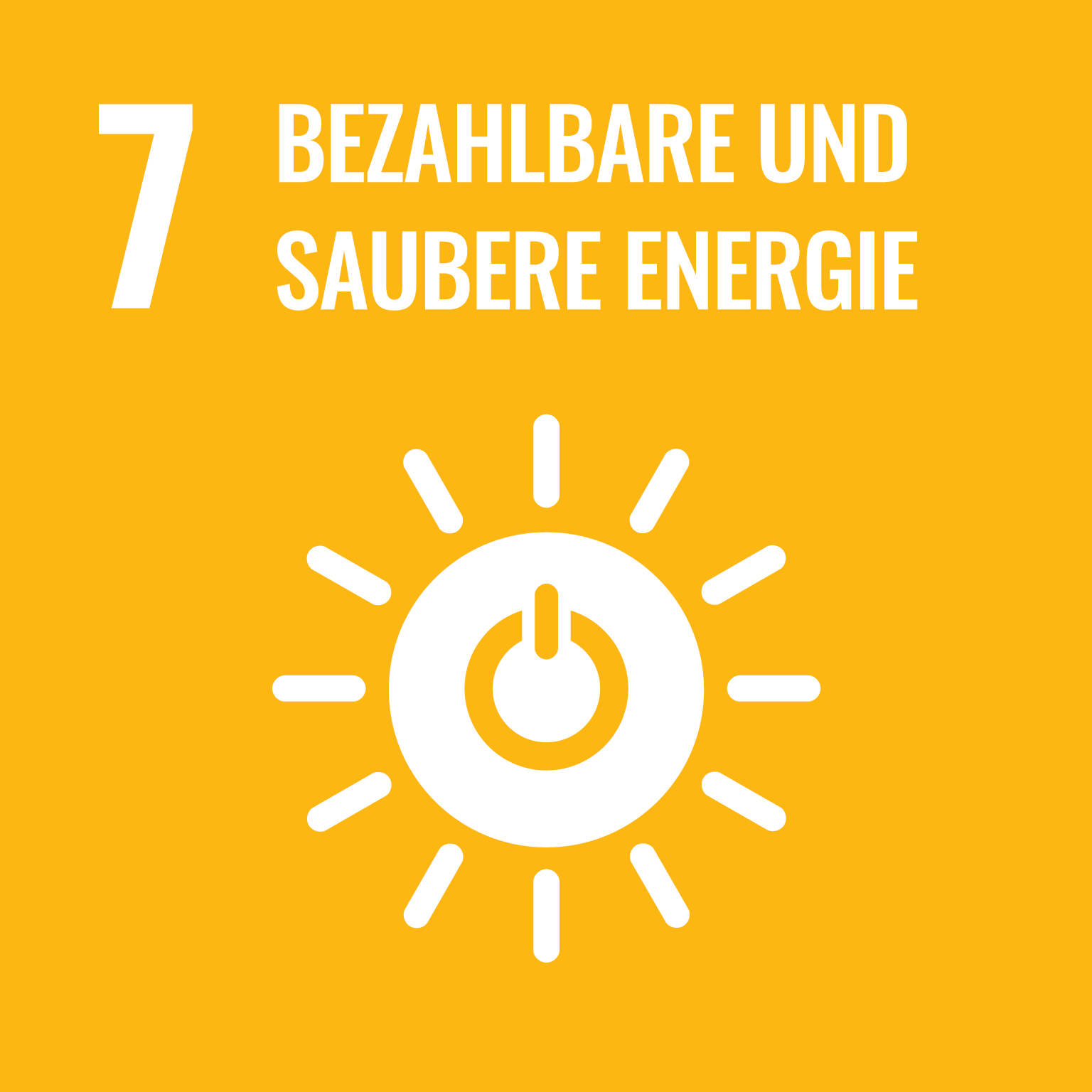
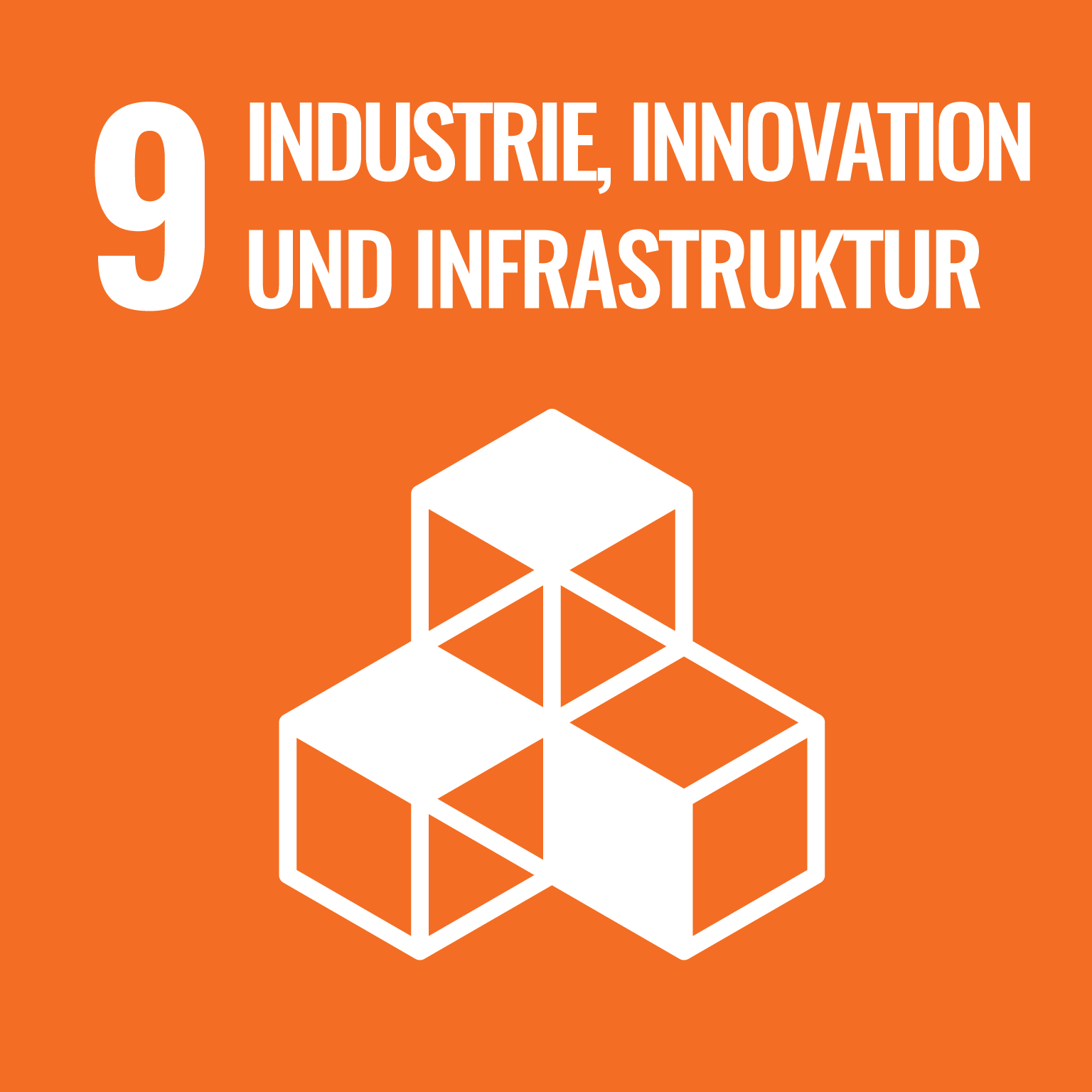
UN Sustainable Development Goals (UN-SDGs)
Additional Information
Proposals must be submitted electronically via the Funding & Tenders Portal Electronic Submission System (accessible via the Topic page in the Calls for proposals section). Paper submissions are NOT possible.
Proposals (including annexes and supporting documents) must be submitted using the forms provided inside the Submission System (NOT the documents available on the Topic page — they are only for information).
Proposals must be complete and contain all the requested information and all required annexes and supporting documents:
- Application Form Part A — contains administrative information about the participants (future coordinator, beneficiaries and affiliated entities) and the summarised budget for the project (to be filled in directly online)
- Application Form Part B — contains the technical description of the project (template to be downloaded from the Portal Submission System, completed, assembled and re-uploaded)
- Part C — contains additional project data and the project’s contribution to EU programme key performance indicators (to be filled in directly online)
- mandatory annexes and supporting documents (templates to be downloaded from the Portal Submission System, completed, assembled and re-uploaded):
- detailed budget table (mandatory Excel template available in the Submission System)
- participant information including previous projects, if any (mandatory Excel template available in the Submission System)
- optional annexes: letters of support
Proposals are limited to maximum 65 pages (Part B).
Call documents
Call Document LIFE-2026-CETCall Document LIFE-2026-CET(824kB)